The Penny Is Gone. Nobody Passed a Law About Your Change
Your total comes to $8.43. You hand over a ten. What comes back is now, legally speaking, up to the store.

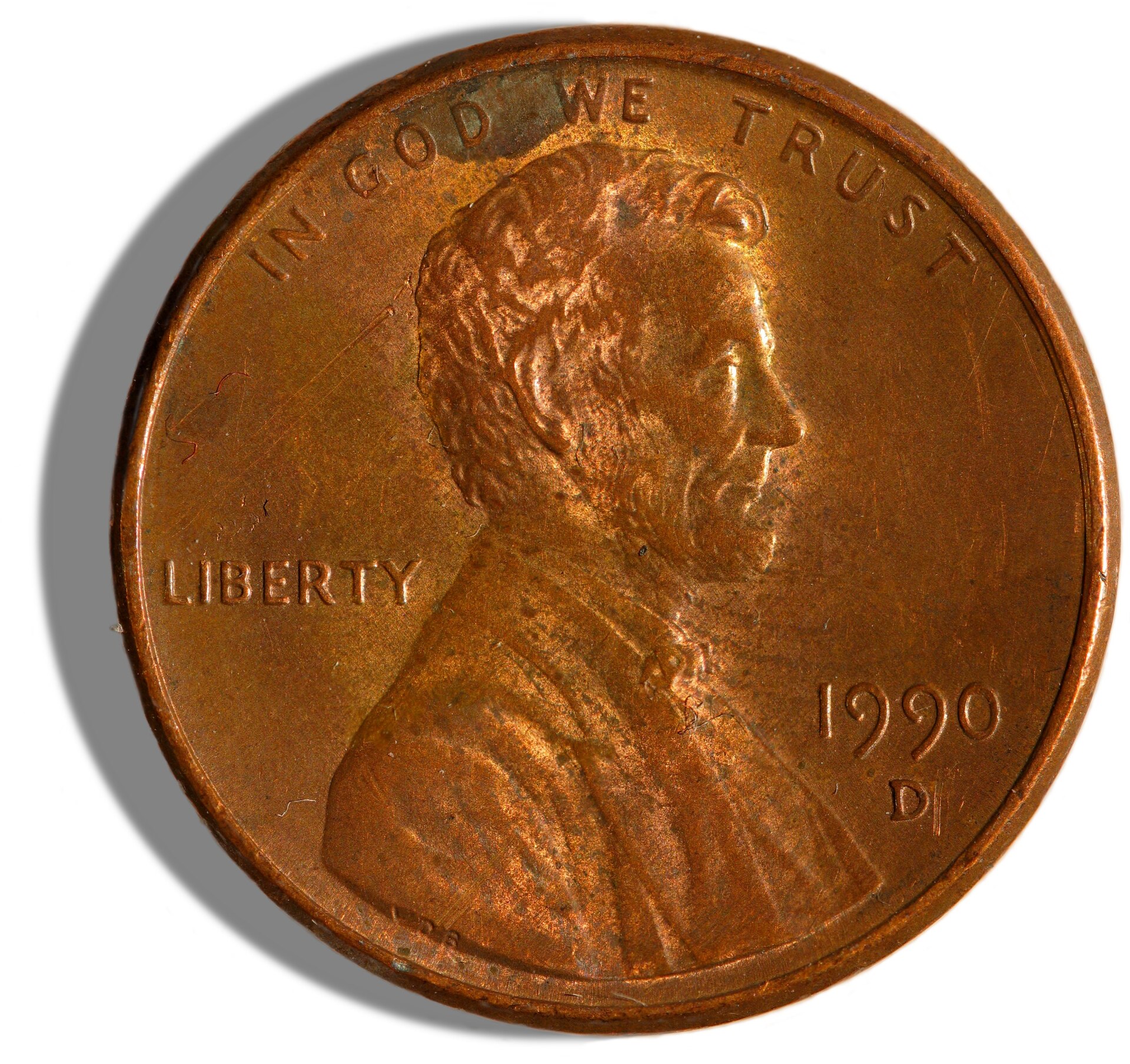
A year ago the Mint stopped making the penny. On Tuesday the House finally voted on what should happen to your change. The answer it landed on: whatever the cashier decides.
What the Federal Reserve, tariffs and prices actually do to the money in your pocket.
Your total comes to $8.43. You hand over a ten. What comes back is now, legally speaking, up to the store.
The Federal Reserve doesn't usually need to survey small businesses to know tariffs cost money. It did anyway — and the numbers show retailers and manufacturers absorbed the hit hardest, then handed most of it to shoppers within the year.
June added 57,000 jobs, well short of forecasts. Two months of hiring got revised down after the fact. Normally that combination has the Fed reaching for a rate cut. Its own June minutes say some officials wanted to raise rates instead.
It held $3.65 million in deposits. The whole thing was over by Monday morning. But the mechanics are worth knowing, because one of them costs people money and almost nobody warns them.
Small businesses spent last year absorbing what they couldn't pass on. New Fed research says about half of them still have price increases queued up, and most of those land within six months.