Retailers Ate the Tariffs First. Then They Passed the Bill to Customers.
The Federal Reserve doesn't usually need to survey small businesses to know tariffs cost money. It did anyway — and the numbers show retailers and manufacturers absorbed the hit hardest, then handed most of it to shoppers within the year.
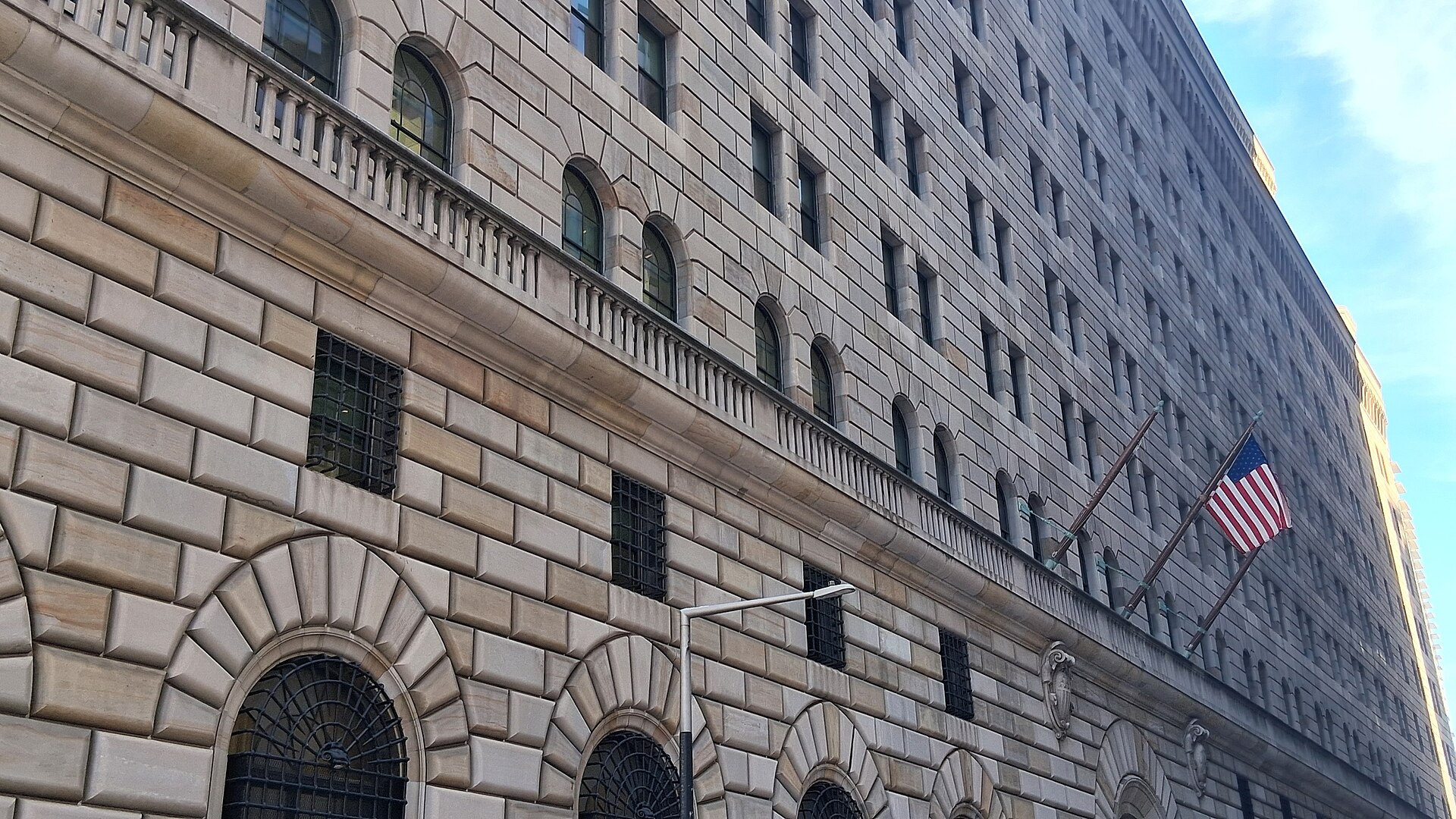

Sixty-nine percent. That's the share of small retail firms nationally that told the Federal Reserve they faced tariff-related cost challenges in 2025, according to the 2025 Small Business Credit Survey, fielded from September through November of that year across 6,525 employer firms. Manufacturing came in at 62%. Overall, more than 40% of all firms surveyed said the same.
Those aren't guesses or a trade association's talking points. It's the New York Fed's own economists, writing on the Liberty Street Economics blog on July 9, digging into a survey the Fed runs itself.
Who actually felt it
Exposure wasn't evenly spread. Nationally, the Fed's analysis broke tariff-related challenges out by broad sector: 55% of goods-producing firms reported them, versus 67% of retail firms and 34% of services firms. In the New York Fed's own Second District — New York, New Jersey, and Connecticut, sampled separately within the same survey — those numbers ran higher across the board: 62% for goods, 72% for retail, 44% for services.
The reason isn't complicated. Roughly 48% of firms nationally sourced at least some inputs from outside the United States, and 14% sourced more than half. About 80% of firms nationally reported that their imported input prices increased in 2025 relative to 2024, per the Fed's own figures. A service business selling mostly labor has less exposure to a customs bill than a retailer restocking shelves with imported goods.
Absorb it, pass it on, or find a new supplier
Firms had three real options once the tariffs hit, and the national survey shows most did more than one of them. Among firms sourcing from abroad that saw price increases, 76% passed at least some of the cost on to customers. Sixty percent absorbed at least some of it themselves. Thirteen percent switched to domestic suppliers. Eight percent found a different country to import from. Three percent moved production to the United States outright.
Those numbers add up to more than 100% for a reason — plenty of firms did two or three of these at once, passing along some cost while eating the rest and shopping for a new supplier in the background.
The Fed's own explanation for why smaller firms lean harder on passing costs through: "Large firms may mitigate the incidence of higher input prices from tariffs by legal means and, more generally, have greater ability to maintain price markups." Smaller businesses don't have that room. As the researchers put it: "Smaller, less profitable firms with fewer resources are less able to do so."
The part that isn't just about 2025
The survey also asked about expectations for 2026. Firms that reported tariff-related challenges were, in the Fed researchers' own words, less likely to expect either revenue growth or employment growth than firms that hadn't been affected. The post doesn't attach exact percentages to that gap, and neither will we — it's a real, statistically meaningful finding in the Fed's telling, just not one with a specific number attached in what they published.
What we didn't find
Nothing in the Fed's post or the underlying survey report breaks the tariff-challenge figures down by firm size within a sector — so we can't say whether a five-person retailer and a 400-person one within "retail" are facing the same 67%, or something different. Neither source ties a specific dollar figure to how much the typical small business actually paid in added tariff costs over the year. Both are real gaps in what's public right now, not numbers we're willing to estimate.
What This Means for You
If you run a small retail or manufacturing business sourcing from abroad: you're statistically the most exposed group in the Fed's own data, and the survey suggests most peers in your position have already raised prices at least partly rather than absorbing the full hit. If you haven't looked at domestic supplier alternatives, 13% of affected firms already have.
If you're a customer of a small retailer wondering why prices crept up: the Fed's own numbers say there's a real chance it's tariff pass-through, not just general inflation — three-quarters of affected firms nationally passed on at least some of the cost rather than eating it all themselves.
Sources
- Federal Reserve Bank of New York, Liberty Street Economics, "Effect of Tariffs on U.S. Small Businesses" — July 9, 2026
- Federal Reserve Small Business Credit Survey, "2026 Report on Employer Firms"
Disclaimer: This article is news and general information only, not business or financial advice. Figures reflect Federal Reserve survey data as published and are subject to revision.