Four Cents a Letter, Three Times This Year
The Forever Stamp went to 82 cents this week. Postmaster General David Steiner told Congress in June that the agency is out of cash and borrowing from its own employees' retirement fund. Those two facts sit on the same page. If you still mail a check, so do you.
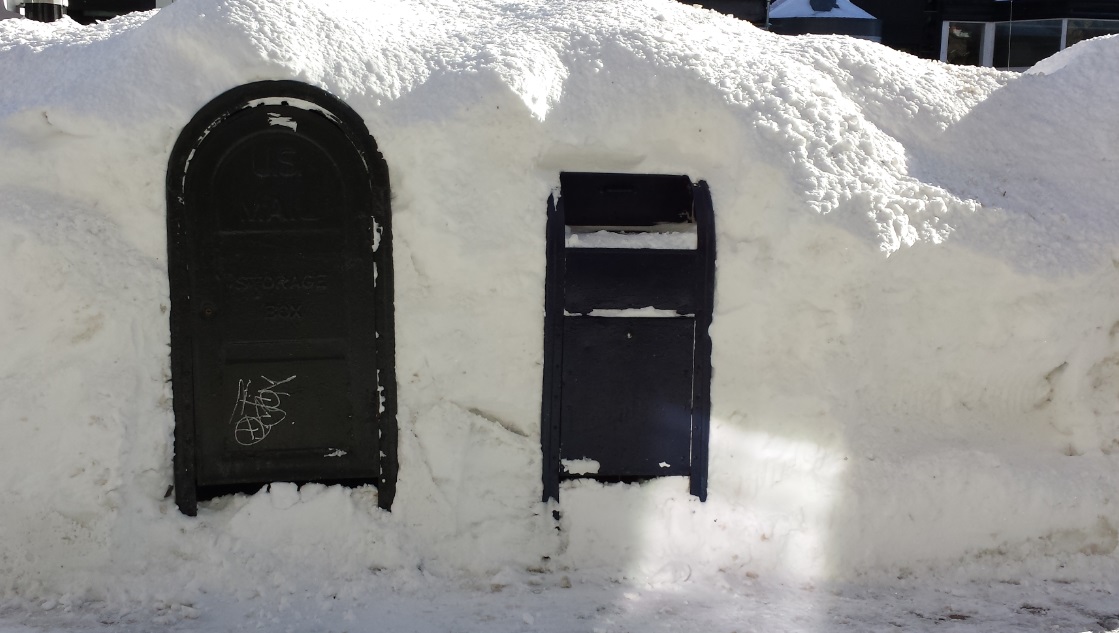

Mail a bill on Saturday, July 11, and a first-class stamp costs 78 cents. Wait one day, and the same envelope costs 82.
That's what changed at 12:01 a.m. on July 12, when the rate case the Postal Service filed back in April took effect nationwide, after the Postal Regulatory Commission approved it on May 27.
The Forever Stamp — a standard first-class letter, one ounce or under — rose from 78 cents to 82. A metered letter went from 74 cents to 78. A domestic postcard is now 65 cents, up from 61. Mail something internationally and the letter or postcard rate moved from $1.70 to $1.75. The charge for each additional ounce past the first didn't move. Still 29 cents.
Averaged across the whole mailing-services case, USPS puts the increase at about 4.8 percent. The stamp most people actually buy moved a bit more than that — just over 5 percent.
Why the Postal Service keeps doing this
USPS's own stated reason, in the press release announcing the case, was blunt: a "severe financial crisis." That's not ad copy. It's the same language the Postmaster General used under oath two months later.
Testifying before the Senate Homeland Security and Governmental Affairs Committee in June, David Steiner said it plainly: "We are out of cash. We are borrowing from our employees' retirement funds to continue operations."
As of May 31, 2026, USPS had $8.9 billion in unrestricted cash on hand. Steiner's written testimony says that if the agency meets its full statutory obligations, it runs out of cash by the end of this fiscal year. His assessment of the alternative: "There is no version of staying the course that avoids this outcome."
Congress has to act for any of that to actually change. A stamp price increase is the one lever USPS can pull on its own.
The volume problem sitting underneath the price problem
Total mail volume peaked at 213 billion pieces a year around 2006 and 2007. Steiner's testimony puts today's volume at about 109 billion — a 51 percent drop, north of 104 billion pieces gone. Valued at today's stamp price, USPS frames that as roughly $81 billion in lost revenue. Domestic mail revenue itself fell from $59.1 billion in fiscal 2007 to $42.6 billion in fiscal 2025, a 28 percent decline, and First-Class Mail volume specifically is down 56 percent over that stretch.
USPS's first-quarter fiscal 2026 results, covering October through December 2025, show a $1.3 billion net loss, against $144 million in net income the same quarter a year earlier. First-Class Mail volume fell 6.1 percent in that quarter. First-Class Mail revenue rose 1 percent anyway, to $7.1 billion.
Fewer people mailing letters. More revenue from the ones who still do.
USPS doesn't put it that way in its own filings — that's our read of the numbers, not a claim the agency makes. But it's hard to get from "volume down 6 percent, revenue up 1 percent" to any other explanation on the same product line.
What this costs someone who still mails checks or bills
By itself, four cents a letter is nothing. A household mailing eight or ten bills a month is out roughly $4 to $5 a year from this one increase. A contractor mailing thirty supplier or subcontractor checks a month adds about $14 a year in postage.
The number that matters more is three. According to industry tracker 3PL Center, this is USPS's third distinct pricing action of 2026, after moves already made in January and April. We could not find, and USPS did not publish, a running total of how much a typical mailer has paid across all three. Nobody seems to be adding it up but the businesses paying it.
Businesses that mail more than checks felt more of this. USPS also raised commercial Marketing Mail rates by 5 to 6 percent in the same case. Inc.com, citing the rate filing, additionally reported an 8 percent fuel surcharge on packages and express mail, tied to fuel costs the outlet linked to the Iran conflict. We couldn't independently confirm that specific surcharge figure beyond Inc.'s reporting, so we're relaying it, not vouching for it.
What This Means for You
If you still pay bills by mail or write checks by hand: the per-letter cost is small, but the direction isn't. This is the third price move in 2026, and Steiner's own testimony says the agency's cash math doesn't hold past this fiscal year without more action from Congress — which points toward more of these increases, not fewer. That's information for your budget, not a nudge to change how you pay your bills; only you know whether the convenience of paper is worth what it now costs.
If you run a small business and mail invoices, statements, or payroll checks: the direct hit from this round is small per piece, but it stacks with two earlier 2026 increases and, if you also do postcard or catalog marketing, a separate 5-to-6 percent bump on Marketing Mail. Worth a five-minute look at how much of your outbound mail could move to fewer, larger batches or electronic delivery — not because paper is going away, but because USPS itself says its prices aren't done moving.
Sources
- USPS Newsroom, "U.S. Postal Service Recommends New Prices for July" — April 9, 2026
- Walsworth, "Postal Update: PRC Approves USPS July 2026 Rate Changes"
- Statement of Postmaster General and CEO David P. Steiner to the Senate Homeland Security and Governmental Affairs Committee — June 24, 2026 (PDF)
- USPS Newsroom, "U.S. Postal Service Reports First Quarter Fiscal Year 2026 Results" — February 5, 2026
- 3PL Center, "USPS 2026 Postage Rate Increase"
- Inc.com, "Using the U.S. Postal Service Is About to Get More Expensive. Here's What's Changing on July 12." by Leila Sheridan — April 10, 2026
Disclaimer: This article is news and general information only, not financial or legal advice. Rates, figures, and testimony cited here reflect USPS and congressional records as of publication and are subject to change.